


Previous one
Encyclopedia of Steel Wire Rope Maintenance: Core Analysis for Life Extension and Protection of Large
Diameter Steel Wire Ropes
In heavy-load working scenarios such as port terminals, maritime shipping, coal mines, and water conservancy hubs, large steel wire ropes with a diameter of 14mm and above undertake critical tasks like lifting, traction, and hoisting. The safety status of the steel wire rope directly determines whether the equipment can operate stably. However, after long-term exposure to multiple loads including tension, bending, friction, corrosion, and fatigue, steel wire ropes are highly prone to issues such as broken wires, wear, corrosion, diameter reduction, and internal dryness and hardening. If maintenance is inadequate, the service life of the steel wire rope can be shortened by 30% to 50%, creating serious safety hazards.
Traditional steel wire rope maintenance emphasizes four key steps: cleaning, lubrication, inspection, and correction, with lubrication being the core. However, in practice, crude methods like manual greasing and oil pouring have obvious shortcomings: the grease cannot penetrate the rope core, the application is uneven, high-frequency regular maintenance is difficult to achieve, and the working environment is hazardous with low efficiency.
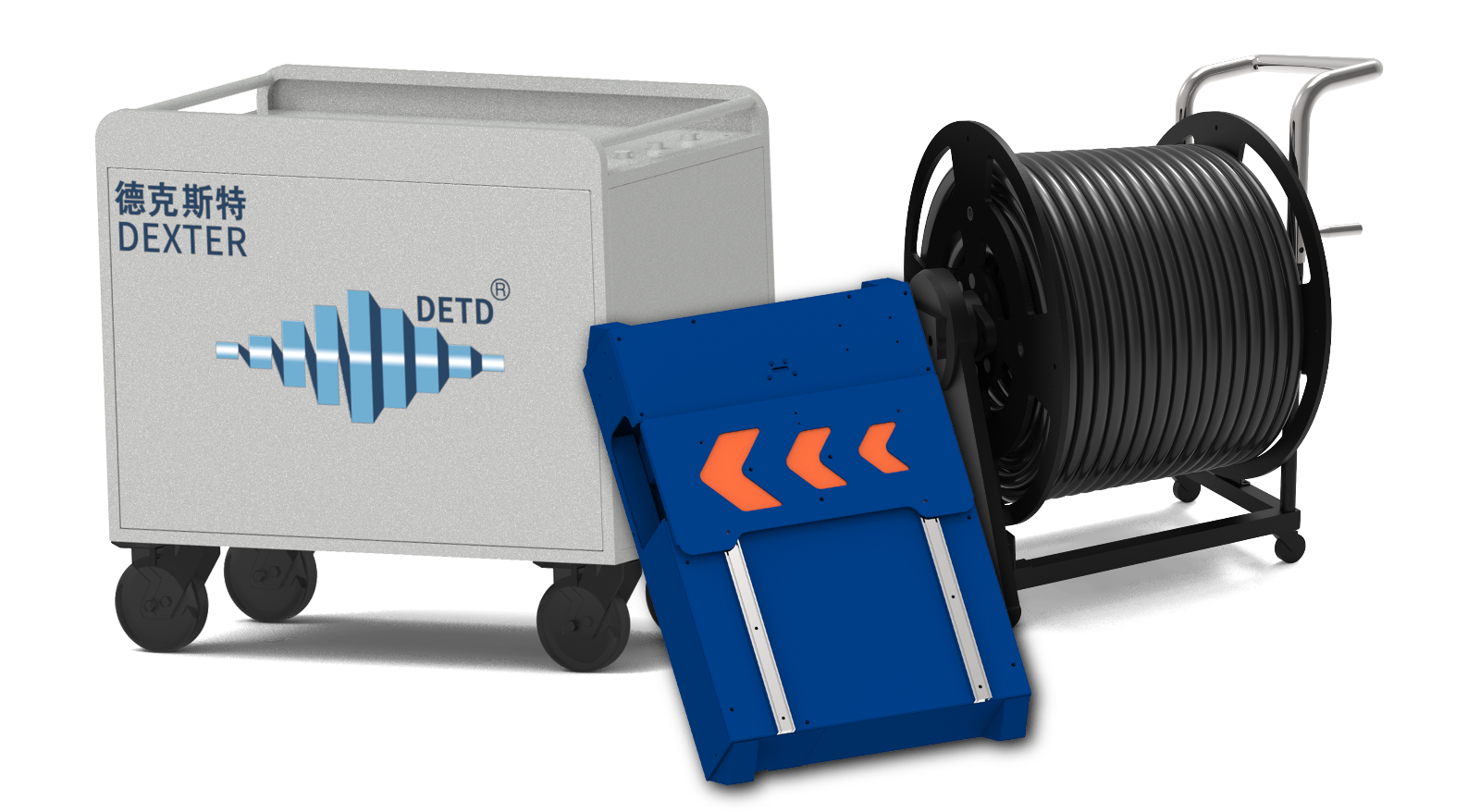
Combining years of experience in steel wire rope maintenance, Dexter Environmental Technology Development Co., Ltd. has taken the lead in introducing automatic steel wire rope lubrication robots, upgrading maintenance operations from "experience-based manual work" to "equipment-standardized work," truly achieving controllable, measurable, and reproducible high-reliability lubrication.
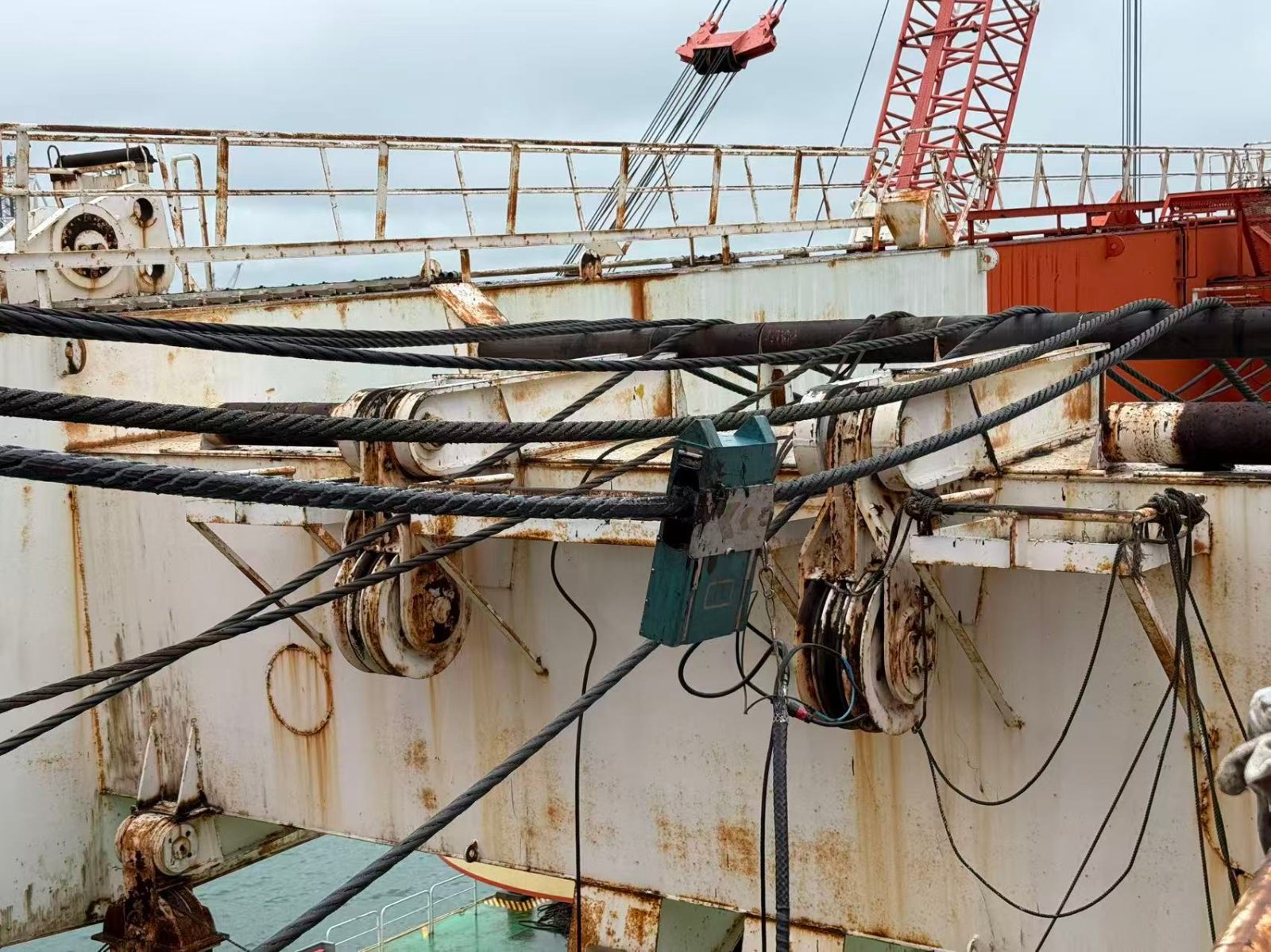
1. Automatic Lubrication Robots: Solving the Industry Pain Point of "Lubrication Cannot Reach the Core"
Internal wear of steel wire ropes occurs much earlier than external signs. With manual surface greasing or using general-purpose machinery grease as a substitute for specialized lubricants, the grease only stays on the outer surface and cannot penetrate into the strand gaps and the rope core. This leads to continuous dry friction between the internal wires, accelerating fatigue and wire breakage.
Automatic lubrication robots possess the following core capabilities:
High-Pressure Directional Penetration: Applies specialized lubricating grease uniformly along the axial direction of the rope with controllable pressure, ensuring the grease enters the strand gaps.
Closed-Loop Flow Control: Automatically adjusts the grease supply volume based on the rope diameter (≥14mm) and surface condition, avoiding waste or insufficiency.
Full-Circumference Coating: 360° surrounding application with no dead angles, forming a continuous and uniform external protective film.
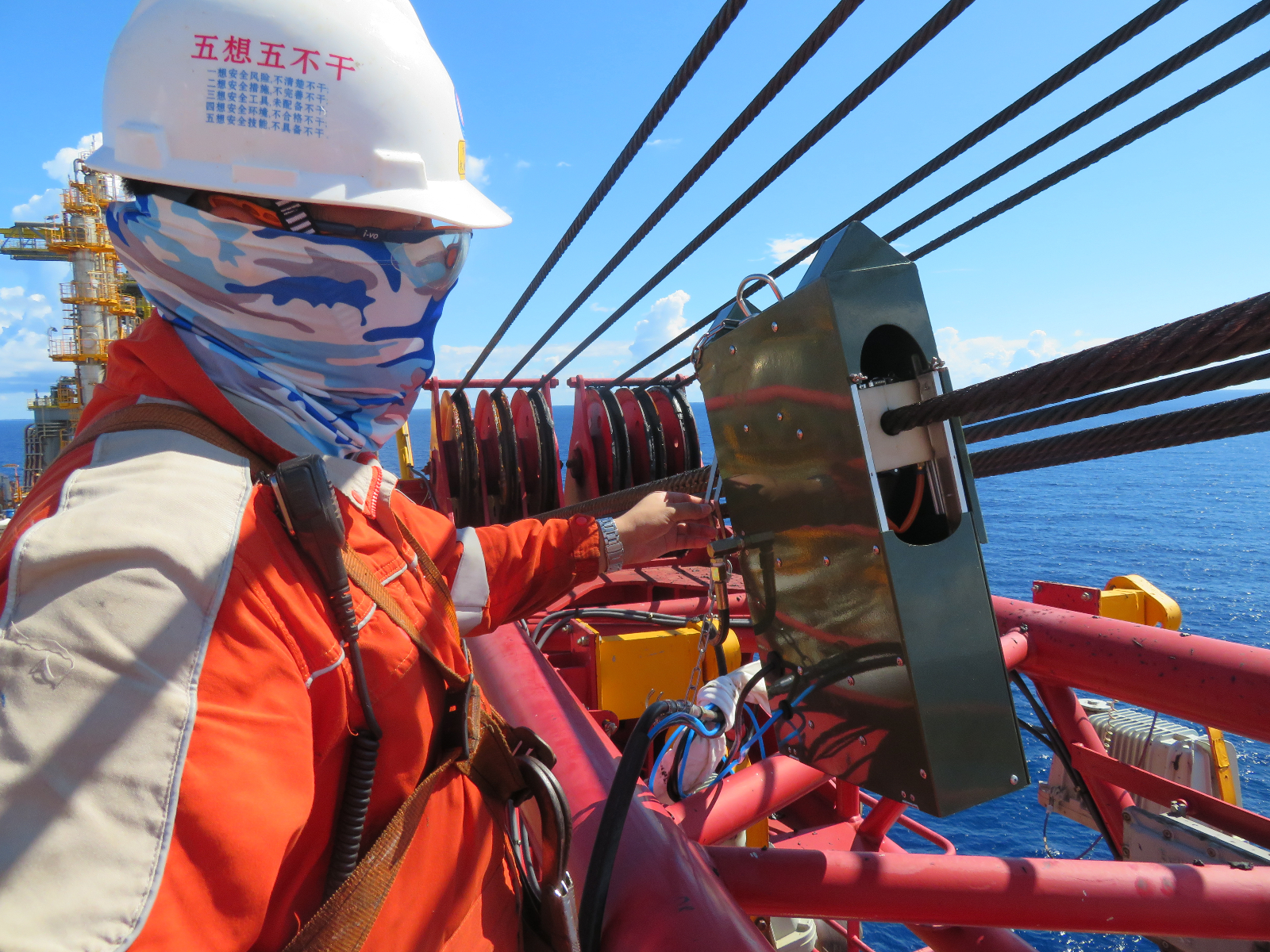
2. Automated Maintenance Enhances the Effectiveness of "Non-Destructive Testing"
Another key aspect of steel wire rope maintenance is Non-Destructive Testing (NDT), with common methods including Magnetic Flux Leakage (MFL) testing and ultrasonic testing. However, a long-overlooked fact is that dirt, old grease deposits, and rust scales on the rope surface can severely interfere with detection signals, leading to missed detections or false judgments.
Automatic lubrication robots are typically equipped with a pre-cleaning and debris removal module before lubrication, which can simultaneously accomplish:
Mechanical removal of grease sludge, dust, and salt spray residues from the rope surface.
Removal of dry and loose rust layers.
Providing a clean, stable detection surface for NDT.
After cleaning, MFL testing on the steel wire rope can achieve a more than 40% improvement in the accuracy of broken wire signal identification, truly realizing a standardized process of "clean first, then inspect, then lubricate."
Dexter's recommended maintenance process:
Debris & Grease Removal → On-line or Off-line NDT (Optional)→ Automatic Lubrication → Film Curing
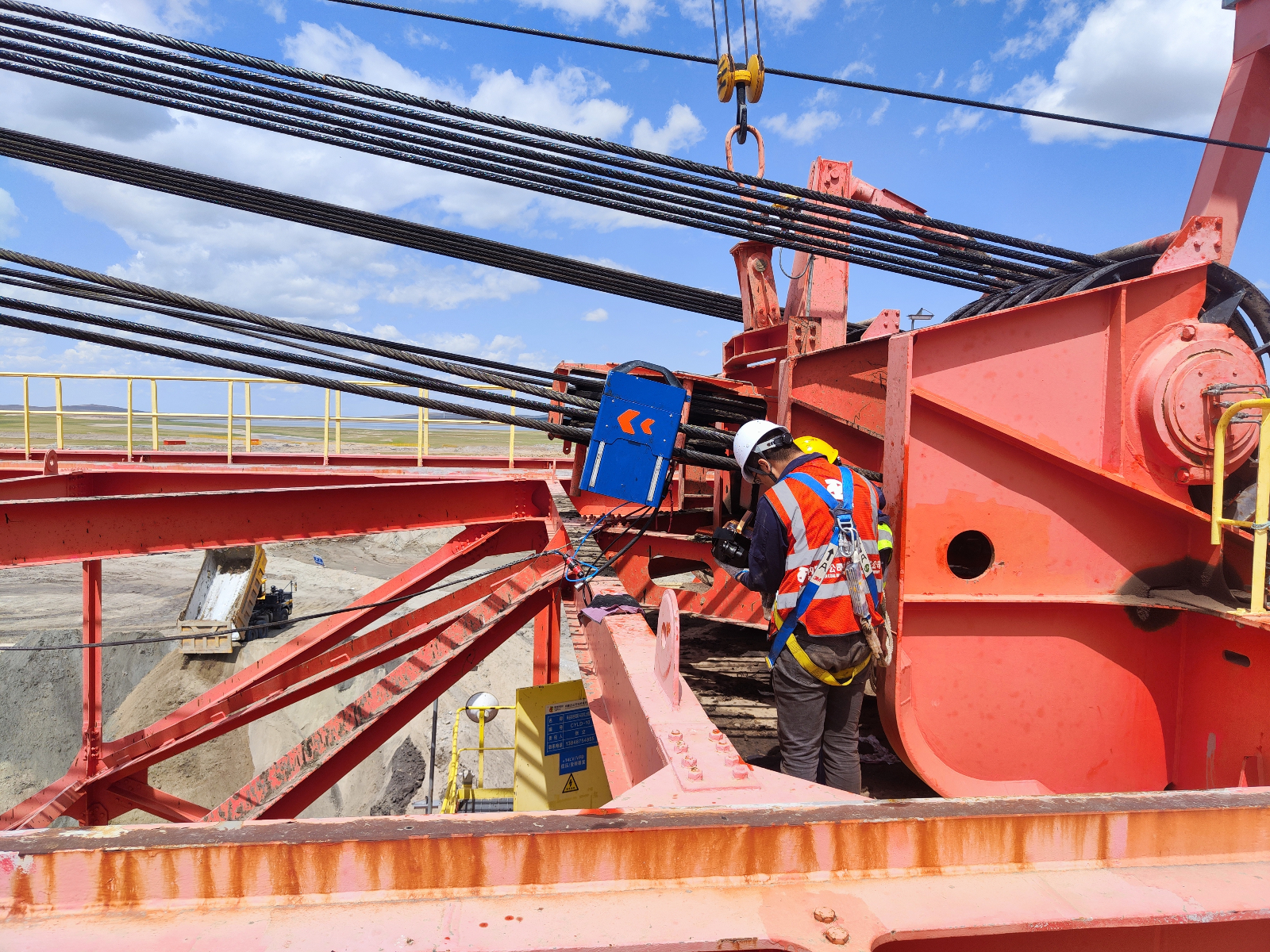
3. Replacing High-Risk Manual Work, Achieving High-Frequency, Low-Cost, Traceable Maintenance
Large steel wire rope maintenance scenarios often involve working at height, near water, in confined spaces, or in dusty environments. Manual lubrication operations suffer from:
High operational risks (falls from height, mechanical injury).
High variability in quality (dependent on experience).
Lack of operational records (non-traceable).
Automatic lubrication robots, operable by a single person via remote control or fully automated operation, offer the following significant advantages:
Aspect |
Manual Lubrication |
Automatic Lubrication Robot |
Penetration Ability |
Surface only |
High-Pressure Directional Penetration |
Consistency |
Dependent on experience, high variability |
Closed-loop control, consistent every time |
Operational Efficiency |
Low, requires frequent downtime |
High, allows on-line or fast maintenance |
Safety |
High risk at height, near water, confined spaces |
Remote-controlled or unmanned operation |
Traceability |
No records |
Oil volume, pressure, speed fully recordable and exportable |
Total Maintenance Cost |
Low short-term, high long-term (frequent rope replacement) |
Reasonable initial investment, significantly reduces rope replacement frequency long-term |
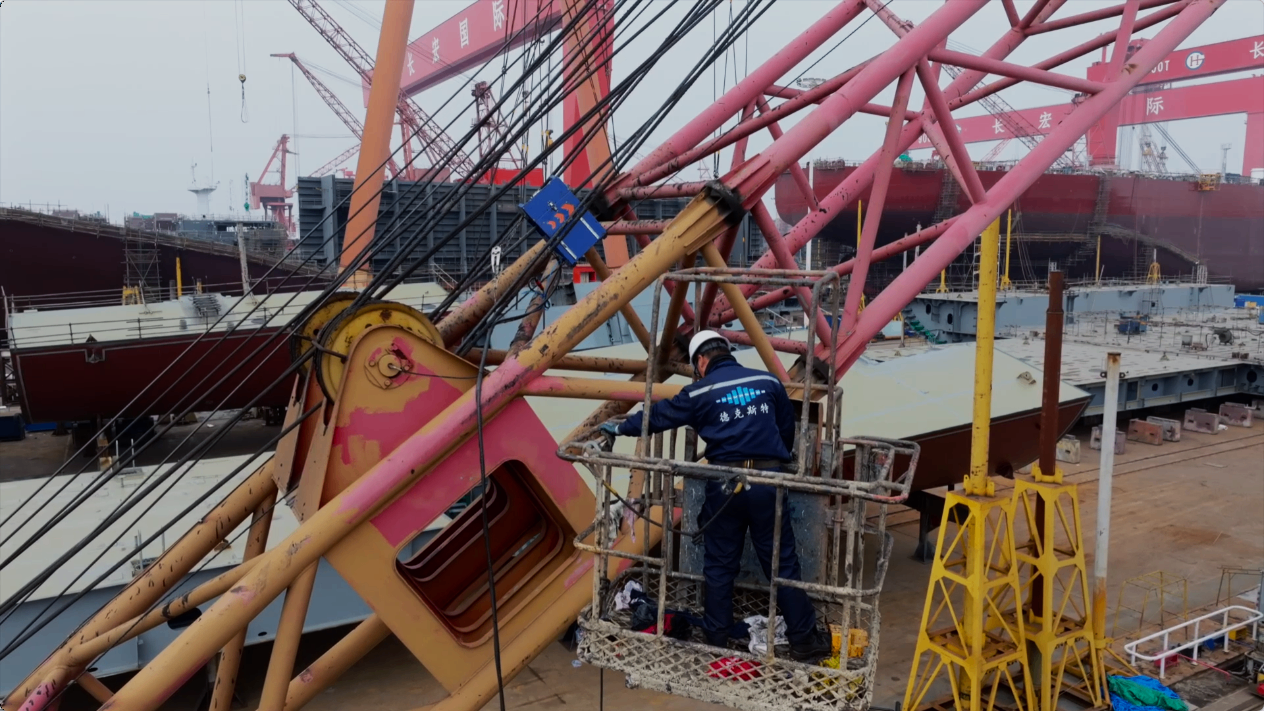
4. Typical Applicable Scenarios and Lubrication Selection Recommendations
Dexter configures specialized lubricating media and robot parameters for different industries based on steel wire rope working conditions:
Industry Scenario |
Working Condition Characteristics |
Lubrication Requirements |
Robot Adaptation Recommendations |
Port Quay Crane / Ship-to-Shore Crane |
High salt spray, high humidity, large temperature difference between day and night |
Salt spray resistance, water wash resistance, high adhesion |
Self-traversing robot + timed automatic lubrication |
Marine Crane / Ship Winch |
Swaying, humidity, seawater splashing |
Seawater resistance, anti-emulsification, good low-temperature fluidity |
Portable robot + high-frequency re-greasing |
Coal Mine Hoist |
High dust, coal slime, humid underground environment |
Dust resistance, coal slime resistance, acidic water resistance |
Powerful pre-cleaning + high-pressure penetration lubrication |
Water Conservancy Hoist / Dam Crest Gate Machine |
Long-term outdoor exposure, large seasonal temperature differences |
Long-lasting adhesion, non-runny, UV aging resistance |
Low-power automatic robot + seasonal maintenance |
5. Conclusion: The Automatic Lubrication Robot is the Inevitable Evolutionary Direction for Steel Wire Rope Maintenance
Steel wire rope maintenance is no longer as simple as just "applying oil." In the context of increasing pressure on equipment reliability, safety compliance, and operational costs, enterprises must shift from being experience-driven to data- and equipment-driven.
The automatic steel wire rope lubrication robot solution provided by Dexter Environmental Technology Development Co., Ltd. has been successfully applied in multiple heavy-load industries including ports, coal mines, water conservancy, and maritime, significantly extending the life of steel wire ropes, reducing downtime risks, and improving operational safety levels.
Maintenance upgrading is not just about extending service life; it is a long-term investment in safety.
For more technical parameters, field application cases, or robot adaptation solutions, please feel free to contact Dexter Environmental Technology Development Co., Ltd.