


Previous one
Intelligent Lubrication & Full-Life-Cycle Management for Port Crane Wire Ropes
In heavy-duty scenarios such as port terminals, marine shipping, coal mines, and water conservancy hubs, heavyduty steel wire ropes with a diameter of 14 mm and above serve as the core load-bearing components for hoisting, traction, and lifting equipment. The overall operational safety of the equipment entirely depends on the intact condition of the steel wire ropes. Subjected to multiple loads including tension, bending, friction, corrosion, and fatigue over long periods, steel wire ropes are prone to defects such as broken wires, wear, corrosion, diameter reduction, and internal dryness and hardening without professional and standardized maintenance. These defects not only drastically shorten the service life but also easily trigger equipment failures and even safety accidents.
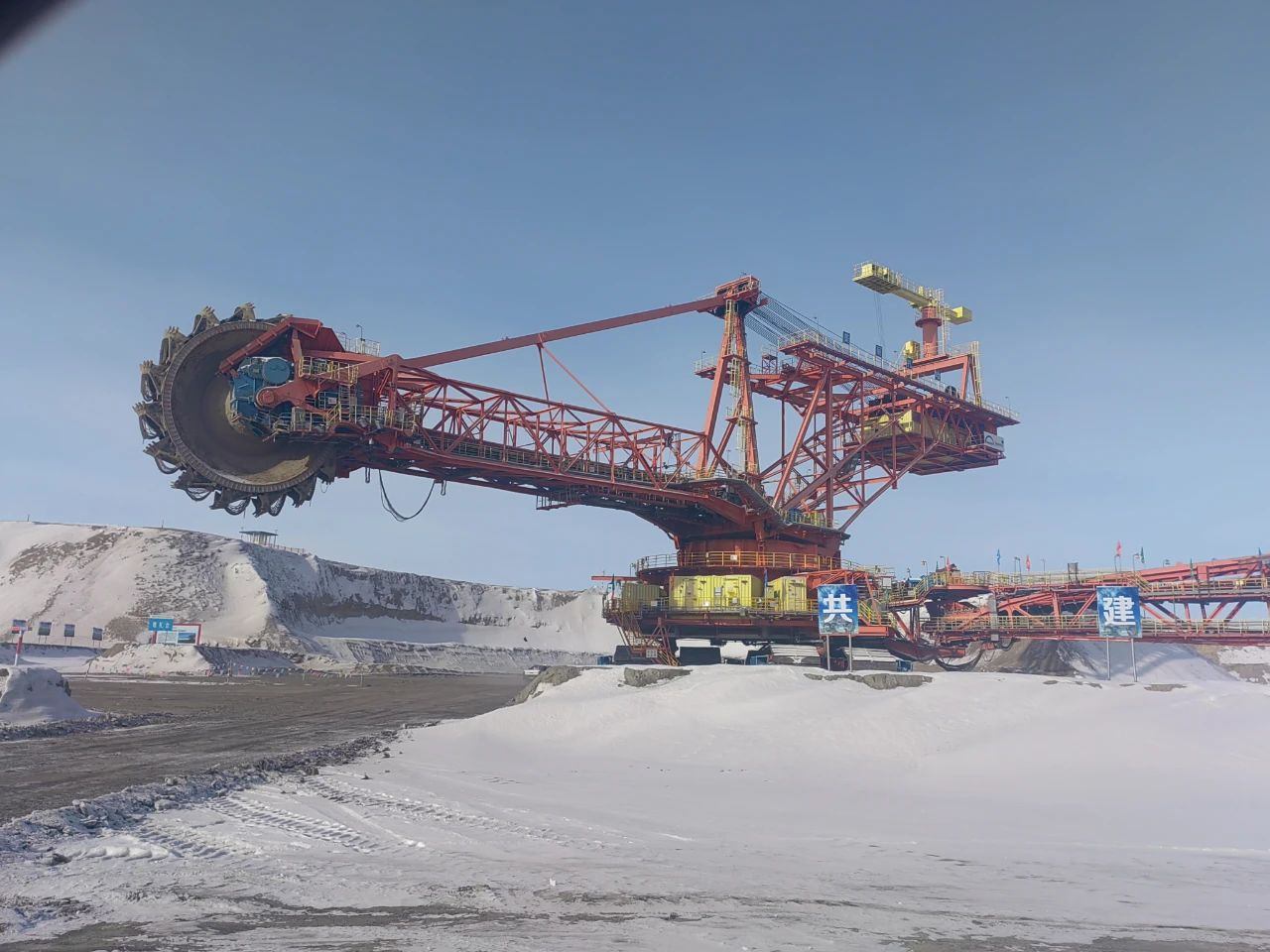
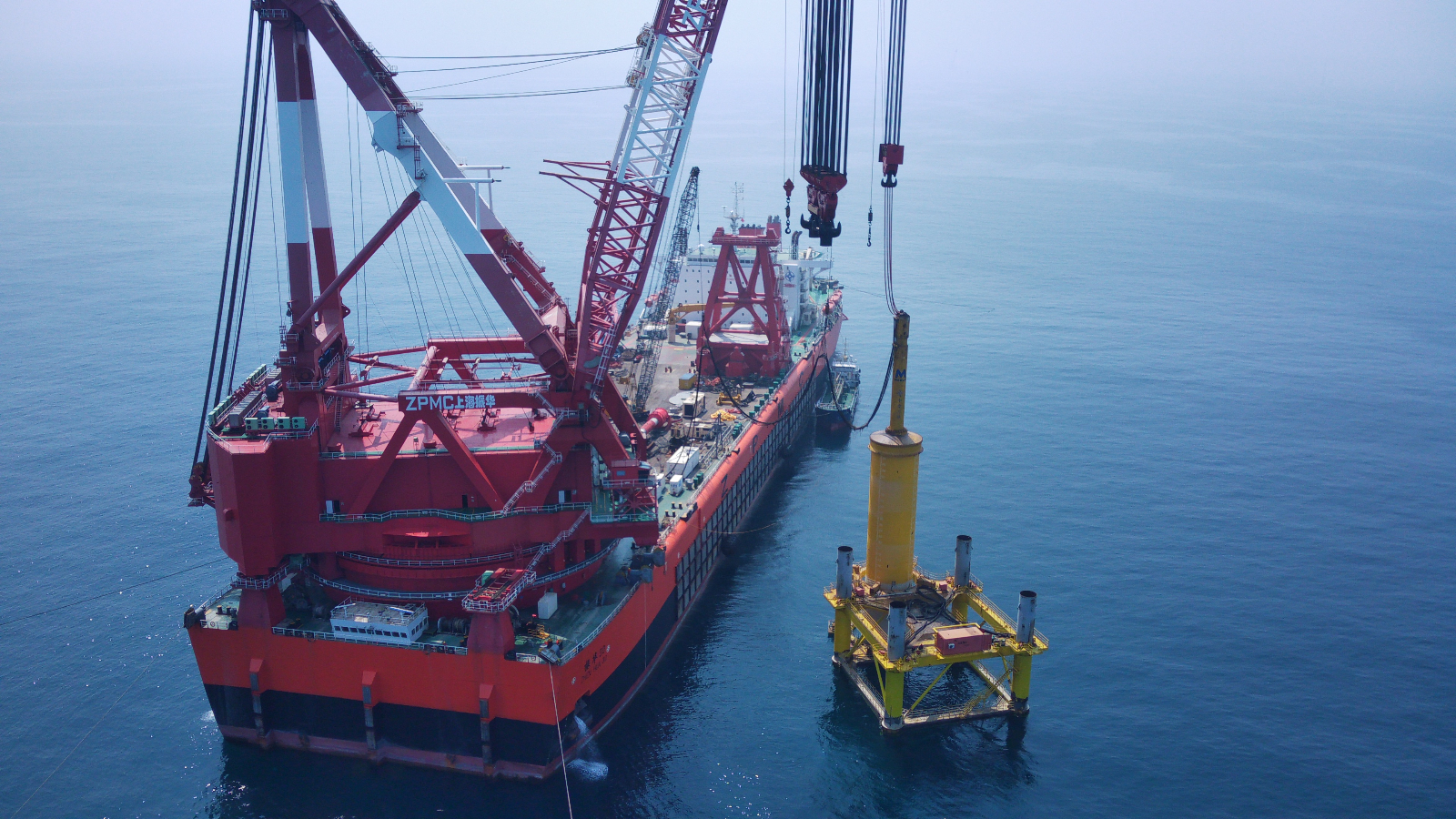
The core of steel wire rope maintenance lies in four basic procedures: cleaning, lubrication, inspection, and correction. Among them, professional lubrication is the most critical step to extend the service life of steel wire ropes and reduce operation and maintenance (O&M) costs. In conventional natural environments, the surface of steel wire ropes is susceptible to adhesion of impurities like dust, sediment, seawater salt spray, and ore powder. When embedded into the gaps between rope strands, these impurities accelerate internal wire-to-wire wear. Without protection from special lubricating grease, the inner and outer steel wires oxidize and corrode rapidly. As the grease in the rope core depletes, the entire rope loses toughness and becomes stiff and brittle.
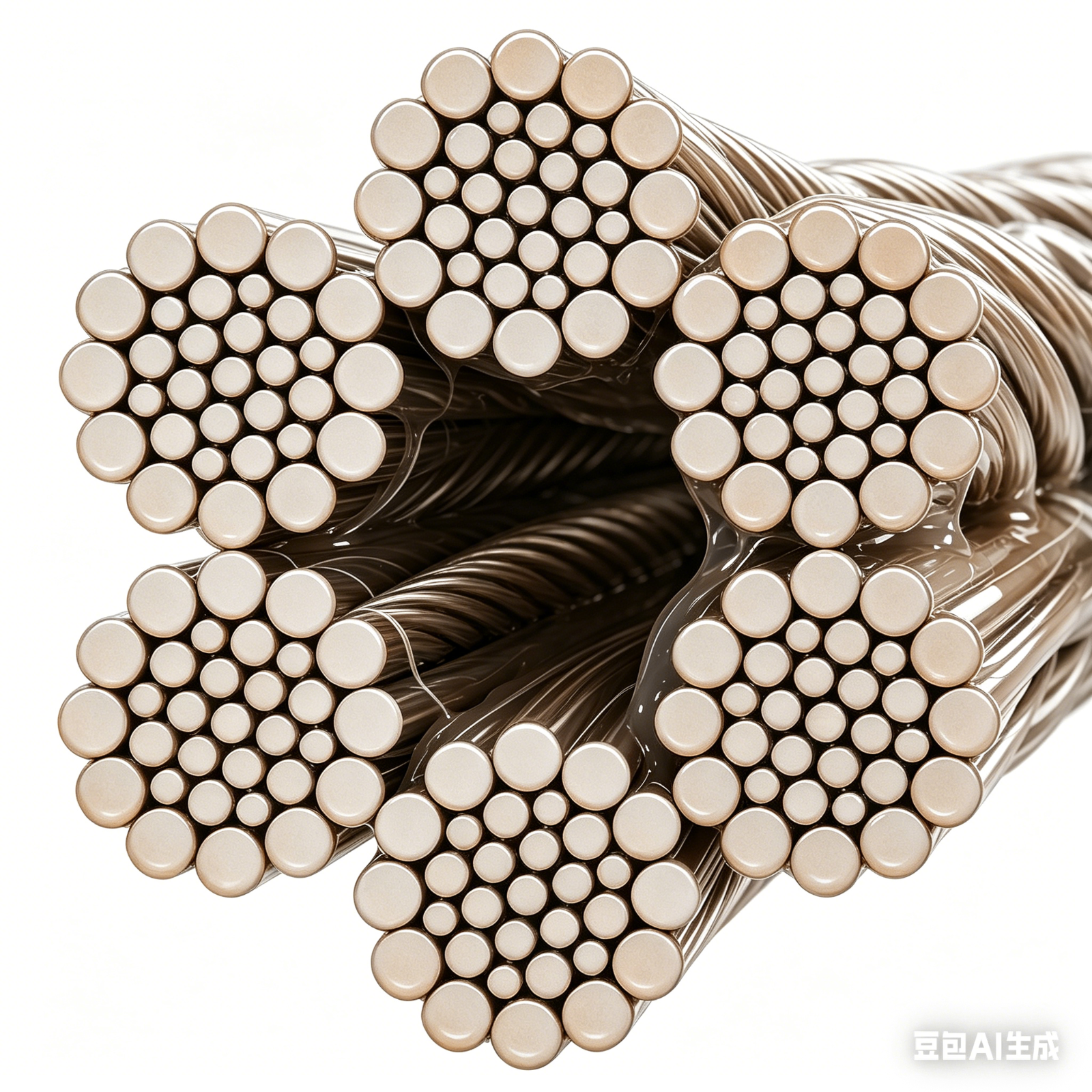
(THIS PICTURE IS AI GENERATE FOR REFERENCE ONLY)
Specialized maintenance for large-diameter steel wire ropes (14 mm and above) differs from ordinary simple greasing. Professional maintenance requires grease that can penetrate the rope core, coat the strands, and form a durable protective film. It must reduce internal wire friction and noise while isolating erosion from rainwater, salt spray, and corrosive gases. Scenarios involving ports and ships demand special lubricants resistant to seawater corrosion and high/low temperatures; underground coal mines require lubrication properties of dust prevention, coal slime resistance, and moisture resistance; water conservancy and landbased hoisting scenarios prioritize maintenance solutions with longlasting adhesion, resistance to dripping, and minimal re-greasing.
Many enterprises have long held maintenance misconceptions: only performing surface greasing, using ordinary mechanical grease instead of steel wire rope-specific grease, skipping nondestructive testing beyond the scheduled period, and ignoring internal dryness while only checking external appearance. Such extensive maintenance methods seem to cut short-term labor and material costs but actually shorten the service life of steel wire ropes by 30%–50%. Frequent replacement of new ropes and downtime for maintenance instead incur substantial hidden costs and pose major safety hazards.
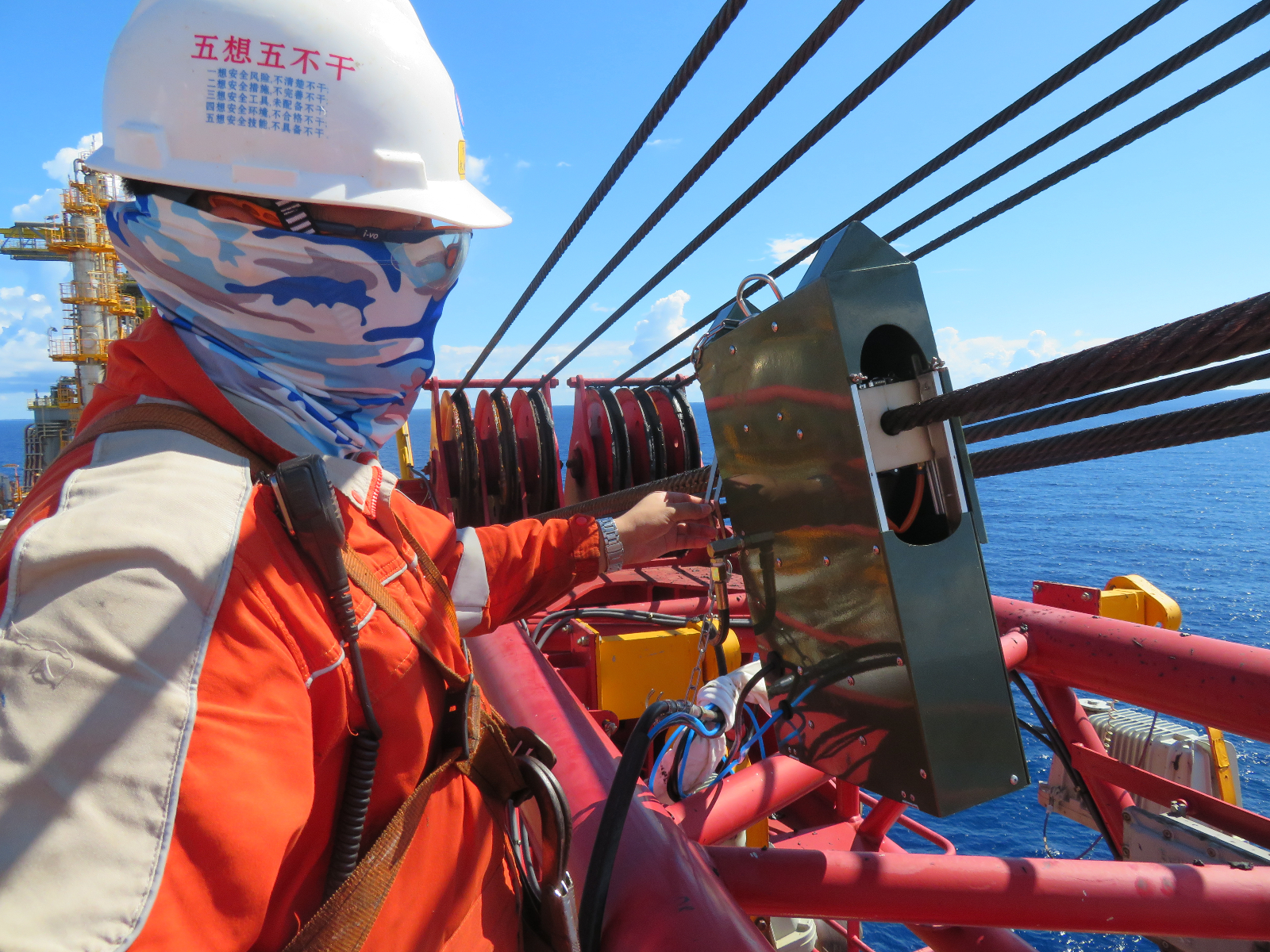
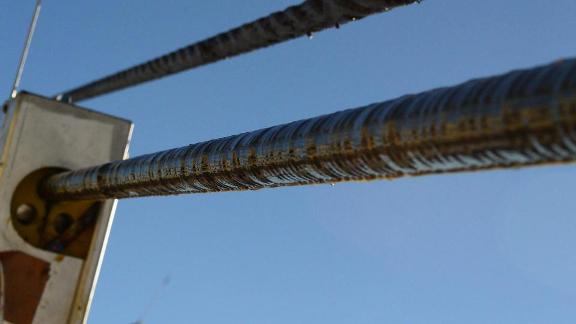
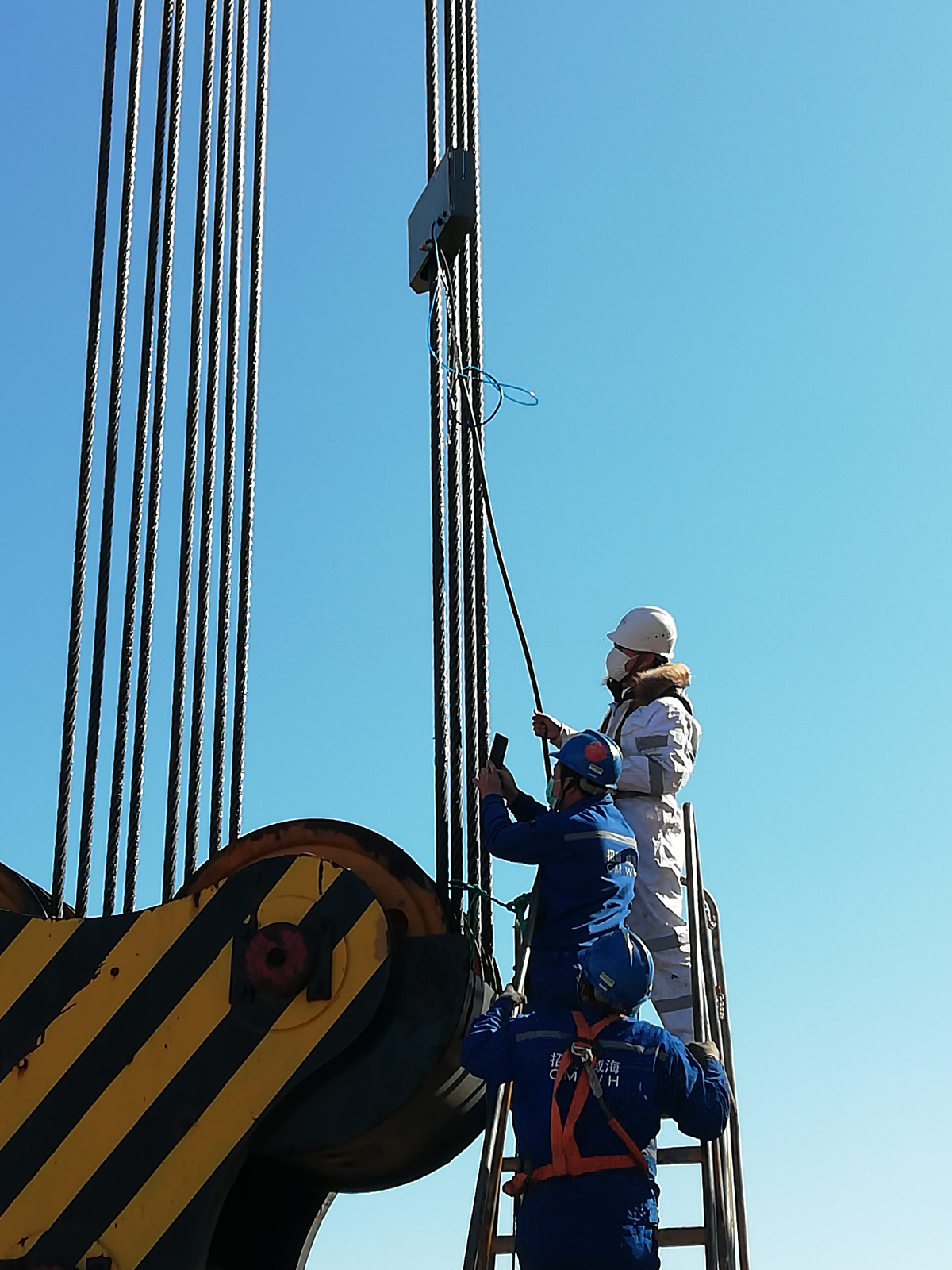
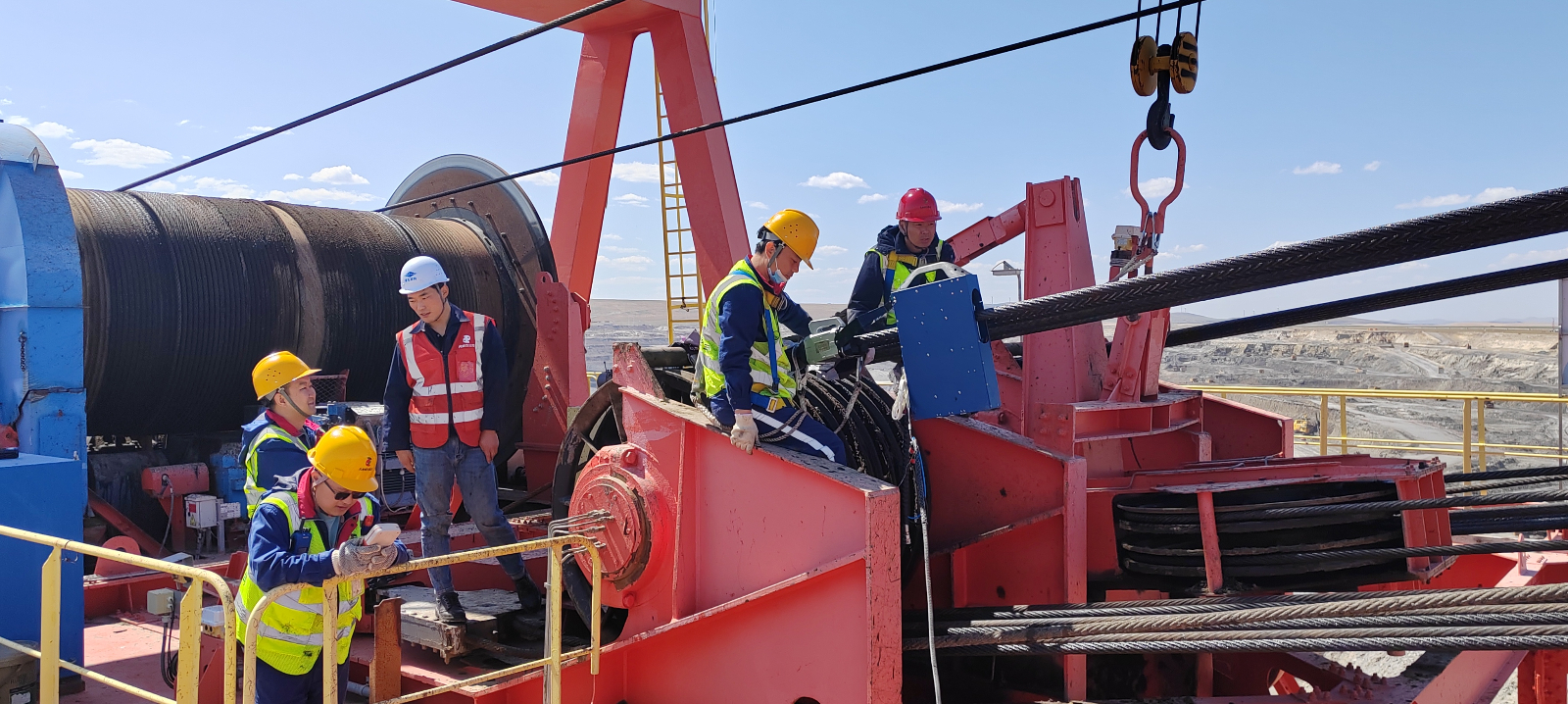
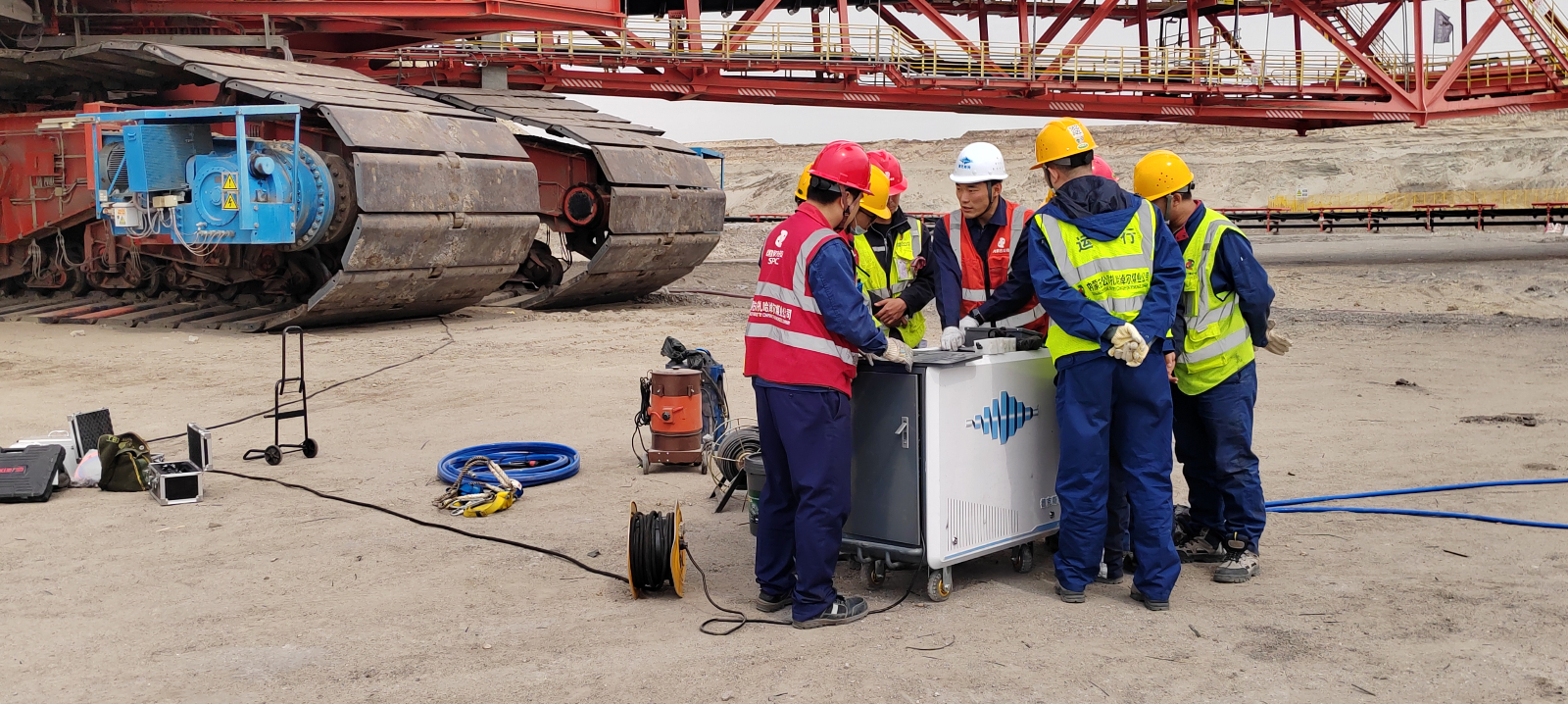
Standardized routine maintenance of steel wire ropes effectively restrains the propagation of broken wires, slows down strand diameter wear, and preserves the original toughness of the rope core. It can more than double the service life of large-diameter steel wire ropes, ensuring long-term stable operation of equipment such as port bridge cranes, marine cranes, coal mine hoists, and water conservancy hoists. This reduces downtime risks, cuts rope replacement costs, and improves onsite operational safety. It is an indispensable basic O&M task for industrial and mining enterprises as well as port and shipping companies.